
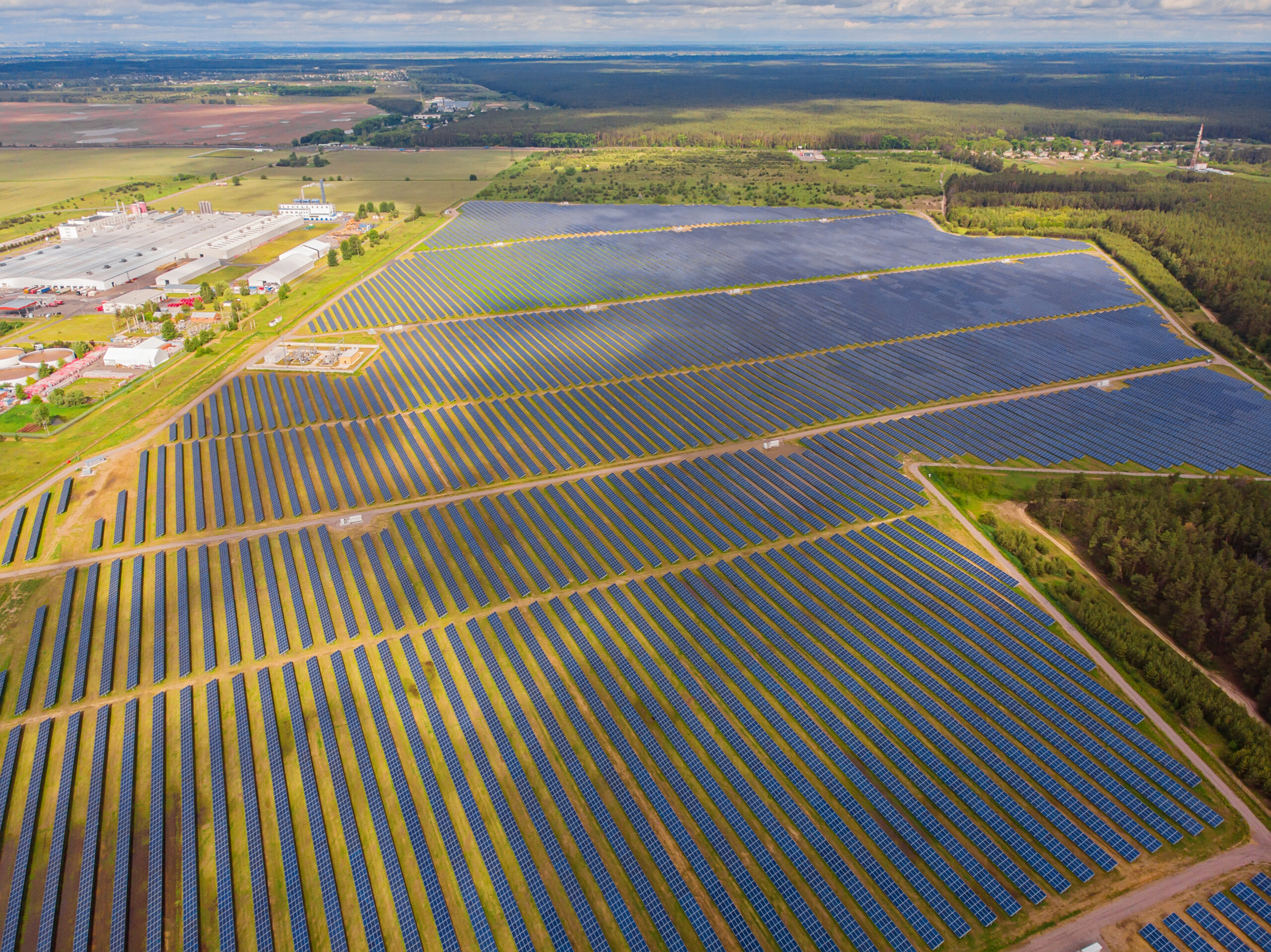
Agrivoltaics and Renewable Energy Are Driving the Future of Farming
Agriculture today is at a very decisive turning point. Extreme climate, vanishing sources of water, and higher irrigation and electricity costs are the reasons farmers need to reconsider the way they grow crops. The old systems cannot keep pace with the long dry spells, sudden storms, and shrinking resources. This is why renewable energy is no longer optional but is becoming the backbone of resilient farming.
Among these innovations, agrivoltaics stands out as a revolutionary model that blends renewable energy with productive farming. Along with solar and rainwater harvesting and aquavoltaics, renewable systems are redefining how farms operate, earn, and survive. Let’s explore how these technologies are shaping the future of agriculture, sustainably and profitably.
Why Is Agrivoltaics Becoming Important for Modern Farming?
Agrivoltaics is the simultaneous use of land for both farming and solar power generation. The rapid rise of agrivoltaics becomes clear when we examine the challenges modern farmers face. Climate unpredictability has intensified; According to one report, in Sub-Saharan Africa, staple crop yields are projected to decline by 10-20% by 2050. This is mostly because of heat waves and shifting rainfall patterns. Meanwhile, energy costs keep rising as grid supply becomes ever more unreliable in rural areas.
Farmers need systems that stabilise both crop yield and input costs. Agrivoltaics offers exactly that. Solar panels installed at an elevated height allow crops to grow beneath them without obstructing farm operations. The shade reduces crop stress, maintains soil moisture, and shields delicate plants during extreme weather. Meanwhile, the electricity generated supports irrigation, lighting, post-harvest units, and even cold storage. Agrivoltaics is leading this transition by transforming fields into multi-resource assets.
What Makes Agrivoltaics a Breakthrough in Dual-Use Farming?
Agrivoltaics represent a farming revolution because they show a rethinking of the usage of agricultural land. It’s a dual-yield system where there is space for crops below and energy above, with the arrays on stilts, to increase the productivity of the land, hence ensuring maximum value to farmers from every square meter.
According to the National Renewable Energy Laboratory, the simultaneous outputs of crops and energy from agrivoltaics can raise the total productivity of the land as high as 60%. This would, therefore, mean that this is one of the most efficient and innovative ways of using farmland anywhere in the world today.
Agrivoltaics work even more productively owing to the interaction between crops and solar panels. Reducing direct sunlight decreases the rate of evaporation and soil temperature, thus improving the health of crops. In turn, the transpiration of plants cools the air under panels and improves the efficiency of the latter. Research shows that agrivoltaics combines farming with solar energy, boosting land efficiency by up to 186% and increasing crop yields.
This is an unusual synergy where crops support the panels and vice versa. That is an important advantage that makes Agrivoltaics a game-changing model for sustainable farming.
How Does Agrivoltaics Improve Crop Yield and Farm Economics?
In addition to the added climate benefits, agrivoltaics provides a serious boost to agricultural productivity and farm economics. Consistent gains in yield are registered among farmers, as crops grown under partial shade undergo less heat stress. The soil beneath the panels remains cooler longer, reducing evaporation and therefore overall water demand.
On the economic side, energy is among the largest recurring expenses farmers have to bear. Agrivoltaics offset that cost by providing clean power for irrigation pumps, sensors, spray systems, and storage units. Many farmers around the world can sell excess electricity back to the grid, building a second source of revenue. This extra revenue gives growers stability and confidence in their investments for the long haul in the face of wild weather and unstable markets.
These advantages explain why Agrivoltaics are increasingly applied in horticulture farms, vineyards, vegetable fields, and spice plantations across Asia, Europe, and Africa.
How Do Solar and Rainwater Harvesting Systems Strengthen Sustainable Farming?
Agrivoltaics are generating energy and protecting crops, while solar and rainwater harvesting systems address perhaps the most basic input in agriculture: water. Rainfall has become very erratic in many regions, bringing to the fore the need for effective storage and supply mechanisms.
This can enable farmers to capture, conserve, and put water to more productive use with the help of solar and rainwater harvesting. It redesigns the rooftops and ground structures with catchment areas that direct rainwater to storage ponds or tanks feeding drip or sprinkler systems. Solar pumps ensure that farmers can irrigate anytime during the day without waiting for grid electricity or resorting to diesel pumps.
Specifically, the agrivoltaics incorporated with this system are exceptionally potent. The shade beneath the solar panels minimizes the evaporation of water, while the captured rainwater is pumped, aided by electricity supplied through the solar panels. Farmers working with Invade Agro Global from semi-arid regions in India and Sub-Saharan Africa have reported astonishing water security and efficiency in irrigation in this integrated approach.
Water-energy interacts and synergizes with each other; hence, it form the very foundation of climate-smart agriculture.
How Is Aquavoltaics Transforming Water Bodies Into Energy Sources?
While agrivoltaics optimizes the usage of land, aquavoltaics does the same for bodies of water. Most farms have a considerable number of underutilized ponds, tanks, reservoirs, or fishery units. Floating solar panels installed on such water surfaces generate clean electricity while protecting the water underneath.
But with aquavoltaics comes two unique benefits: increased solar efficiency and reduced water loss. Water naturally cools the panels through evaporation, helping them operate more efficiently, while the panels themselves reduce evaporation from the pond by providing shade and limiting direct sunlight. So during the dry season, more water is available; hence, aquavoltaics are quite beneficial for those farms experiencing frequent drought or shortage of water.
Shading even normalizes the temperature of the water and promotes the health of fish in aquaculture systems. Since aquavoltaics do not take up any land area, it also fits a confined farm perfectly.
How Can Agrivoltaics, Solar, Rainwater Harvesting, and Aquavoltaics Work Together?
Agrivoltaics, solar and rainwater harvesting, and aquavoltaics will have the most potential when they operate as one system. Together, they will transform farms into multi-resource ecosystems that make energy, conserve water, grow crops more efficiently, and reduce input costs.
Here is how the three systems complement each other:
Agrivoltaics reduce heat stress, further improve soil moisture, and ensure more predictable power.
Solar and rainwater harvesting ensure regular irrigation, even during the dry season.
Aquavoltaics enhance power generation without giving up conserved water in ponds or tanks.
This integrated model offers energy-independent, water-secure, climate-resilient, and economically stable farms. Invade Agro Global supports farmers in their transition into those advanced renewable ecosystems throughout India, Vietnam, Kenya, and Tanzania.
What Should Farmers Consider Before Adopting Agrivoltaics?
Some elements the farmer needs to consider before plunging into agrivoltaics include:
- Land types, slope, and sunlight distribution
- Crop type and seasonal requirements
- Panel height, spacing, and structural design
- Availability of water and irrigation layout
- Grid policies and financial planning
Well-designed agrivoltaics under professional guidance can be one of the best long-term investments any contemporary farm can have.
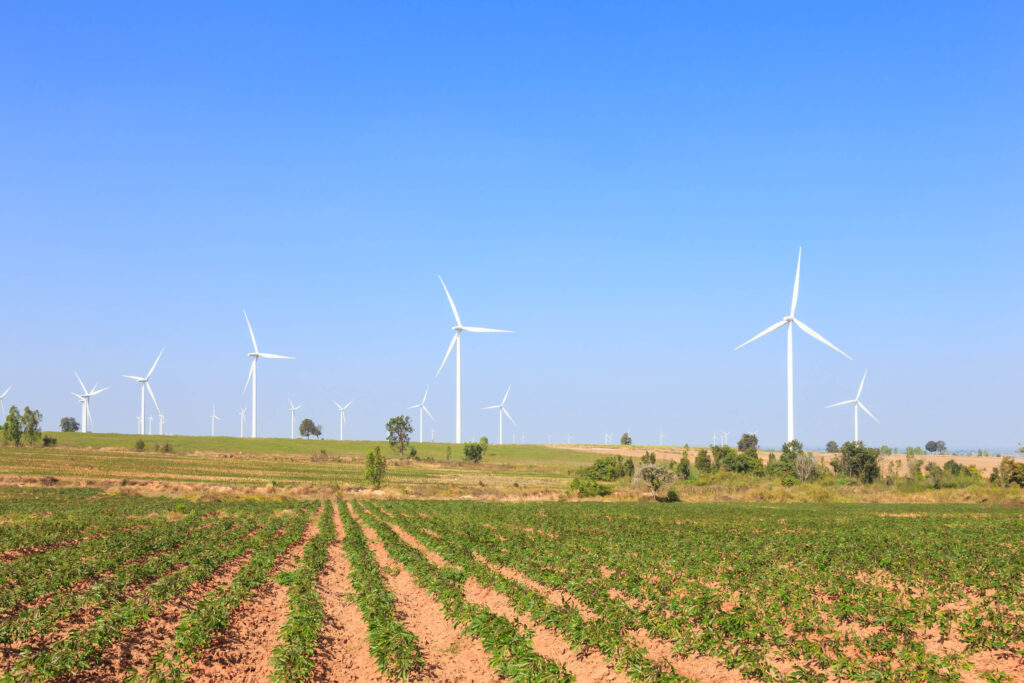
Why Is Renewable Energy the Future of Global Agriculture?
Agriculture has been revolutionised by renewable energy. Our modern agrivoltaics technology protects crops and reduces the cost of electricity. The solar and rainwater harvesting technologies allow for farmers to have access to water year round. Aquavoltaics create additional revenue from previously unused bodies of water. This combination of new technologies creates farms that will be less vulnerable to changes in weather, be more profitable, and be much more sustainable. Renewable energy does not only power the agriculture industry, but also makes farms stronger, smarter, and more resistant to the elements for years to come.