
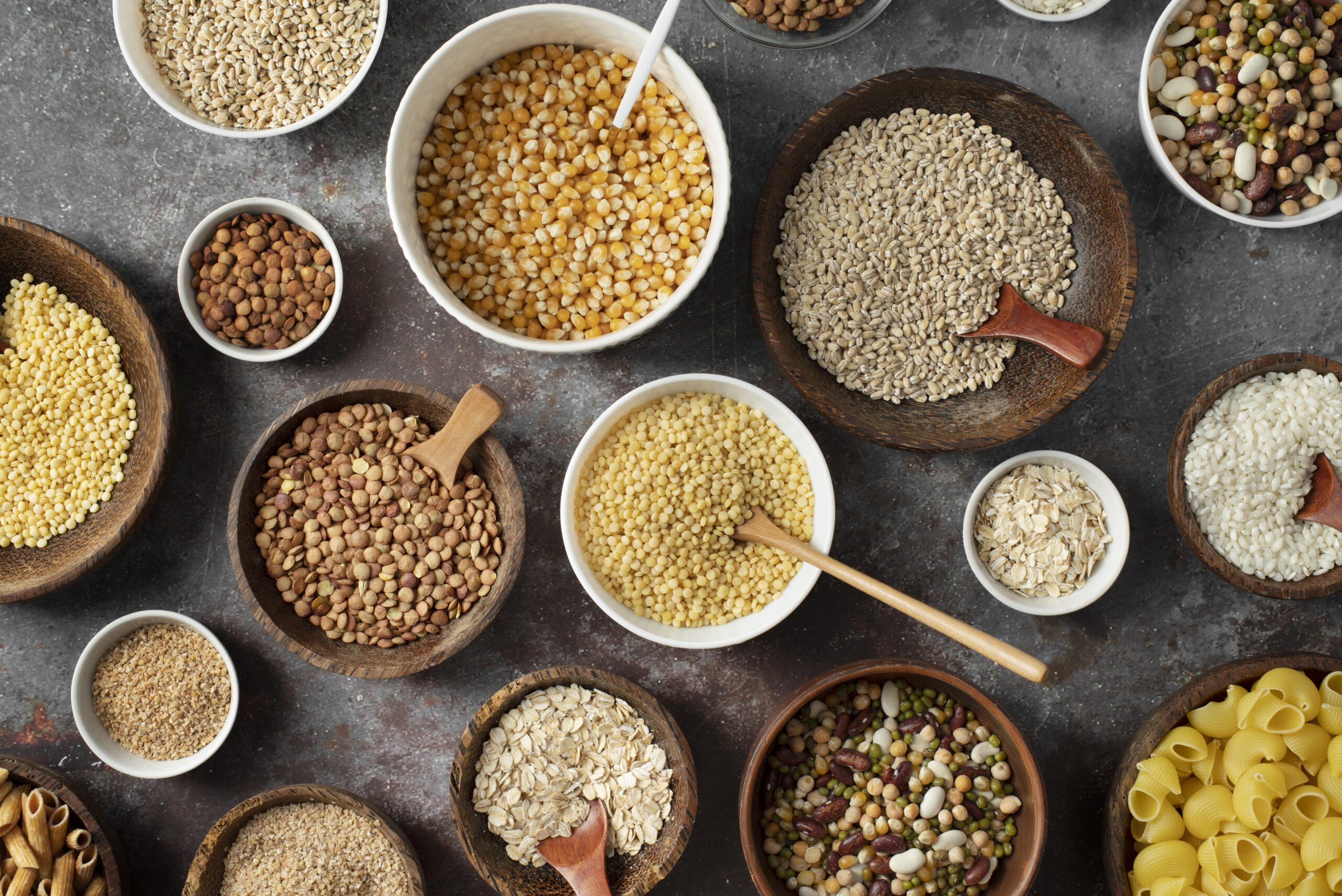
Understanding the Benefits of Whole Grains and the Modern Refined Grain Market
Grains have shaped human diets for thousands of years, but today’s consumers are far more conscious about what fills their plates. Between whole grains and refined grains, a clear shift is taking place. People want foods that nourish, sustain energy, and support long-term wellness. That is where the benefits of whole grains are gaining global attention, while the refined grain market continues to evolve and adapt to modern preferences.
The conversation is no longer just about taste or affordability, it’s about health, transparency, and understanding the science behind our everyday foods. Here, we explore how consumer behaviour is changing, why whole grains are rising, and why the refined grain market still remains significant despite the growing push toward healthier eating.
Why are the Benefits of Whole Grains Influencing Modern Consumers?
Health-conscious buyers are driving a global movement toward cleaner, more natural food choices. The benefits of whole grains have become a key conversation in nutrition, especially because whole grains offer the complete package: bran, germ, and endosperm, nothing removed, nothing diluted.
Research continues to support the benefits of whole grains for long-term well-being. Whole grains contain naturally occurring fiber, antioxidants, healthy fats, and essential nutrients. As global markets shift, consumers increasingly compare labels, choosing foods aligned with health goals rather than convenience alone.
A recent study revealed that consumers now check grain quality and type before purchasing packaged foods, showing how deeply the benefits of whole grains influence decision-making. As modern lifestyles accelerate, people want foods that stabilize energy, improve digestion, and support preventive health, all areas where whole grains excel.
How Does the Refined Grain Market Still Maintain a Strong Presence?
Despite the rise in whole-grain awareness, the refined grain market remains substantial. Why? Convenience. Processed and refined grains offer a longer shelf life, faster cooking times, and a familiar taste many households grew up with.
The refined grain market also benefits from its integration into global food manufacturing. From instant noodles to packaged breads and pastries, refined grains dominate the quick-meal category. For many families, affordability continues to factor into shopping choices, allowing the refined grain market to retain influence even as health trends evolve.
Moreover, cultural habits play a major role. Refined wheat flour, white rice, and semolina-based foods still form the backbone of diets in Asia, Africa, and parts of Europe. This is where the balance between tradition and health becomes an ongoing conversation.
Are the Benefits of Whole Grains Scientifically Proven for Long-Term Health?
Yes – substantially. Numerous studies validate the benefits of whole grains, especially regarding heart health, weight management, and digestive well-being. Whole grains offer naturally occurring fiber that supports gut microbiota, stabilizes blood sugar, and keeps hunger in check.
According to one report, diets rich in whole grains may reduce the risk of cardiovascular diseases by up to 22%, a compelling statistic that reinforces why the benefits of whole grains are becoming a preferred standard for wellness-focused lifestyles.
From oats and barley to millets and brown rice, the benefits of whole grains extend to micronutrients like B vitamins, iron, magnesium, and zinc, all of which diminish during refining. This is why consumers increasingly lean toward minimally processed foods that preserve their natural integrity.
What Are Consumers Really Choosing in the Refined Grain Market Today?
Even with the health movement in full swing, the refined grain market continues to attract strong demand. Why? Taste familiarity remains a major factor. Many consumers still prefer soft, light, quick-cooking grain options, especially in urban environments where time is limited.
The refined grain market also benefits from FMCG innovation. Manufacturers routinely introduce ready-to-eat, fortified, or hybrid grain products that blend refined grains with nutritional enhancements. In fact, the refined grain market is expected to grow steadily due to urban snacking habits and convenience-driven consumption.
This means consumers are not abandoning refined grains altogether, they are simply seeking better options within the category.
How Do the Benefits of Whole Grains Compare with Refined Grains in Everyday Diets?
When placed side by side, the nutritional differences are significant. The benefits of whole grains consistently outweigh refined options in terms of fiber, micronutrients, and slow-releasing carbohydrates.
Whole grain foods keep you fuller for longer, support metabolic health, and contribute to balanced energy throughout the day. Meanwhile, refined grains, having had the bran and germ removed, offer faster digestibility but less nutritional depth.
Feature | Whole Grains | Refined Grains |
Structure | Contains bran, germ, and endosperm | Only endosperm remains; bran & germ removed |
Nutritional Value | High in fiber, vitamins, minerals, antioxidants | Lower in fiber and micronutrients |
Digestibility | Slow digestion → sustained energy | Faster digestion → quick energy spikes |
Health Impact | Supports heart, gut, and metabolic health (core benefits of whole grains) | Less nutrient-dense; may contribute to higher blood sugar |
Processing Level | Minimally processed | Highly processed |
Shelf Life | Shorter due to natural oils | Longer shelf life due to removal of oils |
Market Demand | Growing rapidly in health-conscious consumers | Strong in the refined grain market due to tradition, taste & convenience |
Still, both categories have their place. The goal for many consumers is not to exclude refined grains but to integrate more whole grain choices into daily meals. This balanced approach is becoming increasingly popular among nutritionists worldwide.
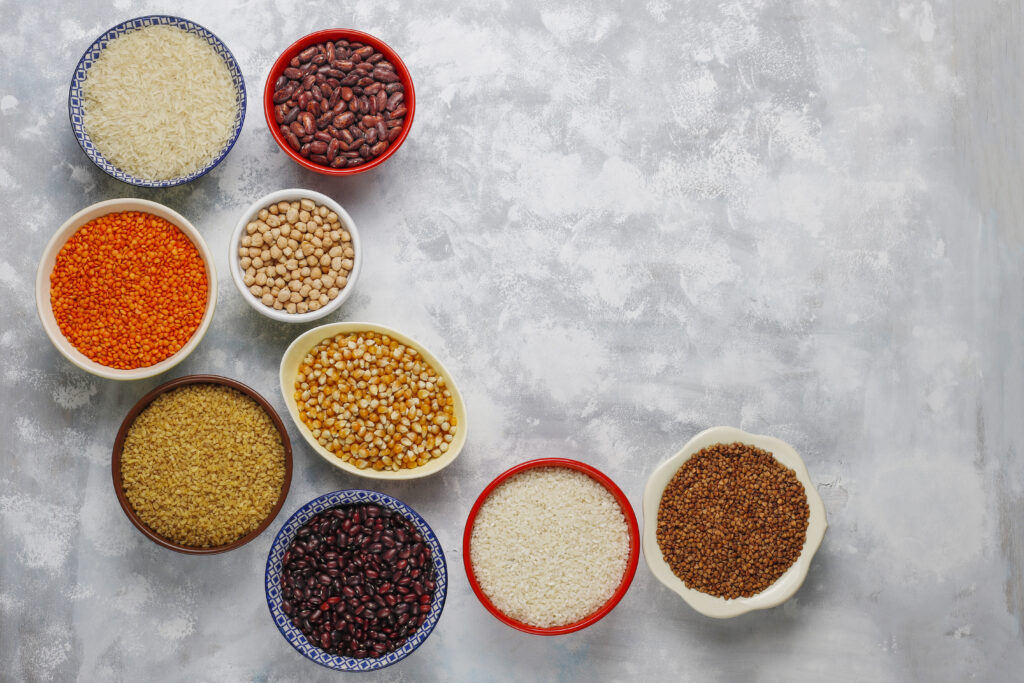
Does the Refined Grain Market Adapt to the New Health-Focused Consumer?
Absolutely. The refined grain market has been forced to evolve. Today, brands invest heavily in R&D to create products that offer the familiarity of refined grains with added nutritional value.
This includes:
- Fortified refined flours
- Blended multigrain flours
- Low-GI rice variants
- High-fiber instant grain mixes
Such innovation ensures the refined grain market continues to thrive even as consumers demand healthier alternatives. Companies that cater to both preference and performance are the ones best positioned to grow.
What Role Does Agriculture and Sourcing Play in the Benefits of Whole Grains?
The benefits of whole grains depend heavily on source quality. High-grade, responsibly sourced grains maintain better nutrient density and flavor. Modern agricultural companies, including ecosystem players like Invade Agro, emphasize traceability, quality control, and post-harvest handling, factors that directly impact the value consumers receive.
As sustainability becomes a global priority, brands focusing on soil health, responsible farming, and clean processing practices reinforce the benefits of whole grains while improving trust in the supply chain.
Consumers increasingly want to know where their grains come from. The era of anonymous sourcing is fading.
What Does the Future of Grain Consumption Look Like?
The future will belong to balance. Whole grains are rising rapidly due to their wellness appeal, but refined grains won’t disappear, they will continue to adapt, innovate, and diversify. The upcoming consumer generation values transparency, authenticity, and functionality in food.
Expect to see:
- More hybrid products
- Greater emphasis on nutritional labeling
- Stronger demand for ancient grains and regional whole grains
As health awareness grows, both the benefits of whole grains and the evolution of the refined grain market will shape how people eat, shop, and think about grain-based foods.
Consumers today aren’t just buying grains, they’re making informed decisions that reflect their values and long-term health goals. The benefits of whole grains are winning attention across global markets, while the refined grain market is reinventing itself to remain relevant.
In the end, the future of grain consumption isn’t a battle between whole and refined, it’s a journey toward smarter, more conscious food choices driven by knowledge, transparency, and evolving lifestyles.