What Can We Learn from Plantation Agriculture Success Stories Across Continents?
What makes a farm more than just a piece of land? Plantation agriculture answers that question. It is not only about cultivating crops on a large scale but about shaping economies, building communities, and influencing the course of history. From colonial legacies to modern innovations, plantations have been at the center of global trade and rural life.
Each plantation carries a story. Some reveal the struggles of dependence on a single crop, while others highlight how cooperation, technology, and sustainable practices can turn fields into engines of growth.
Here we will explore what plantation agriculture means today, uncover success stories from across continents, and reflect on the lessons it offers for the future of farming.
What is plantation agriculture, and why does it matter today?
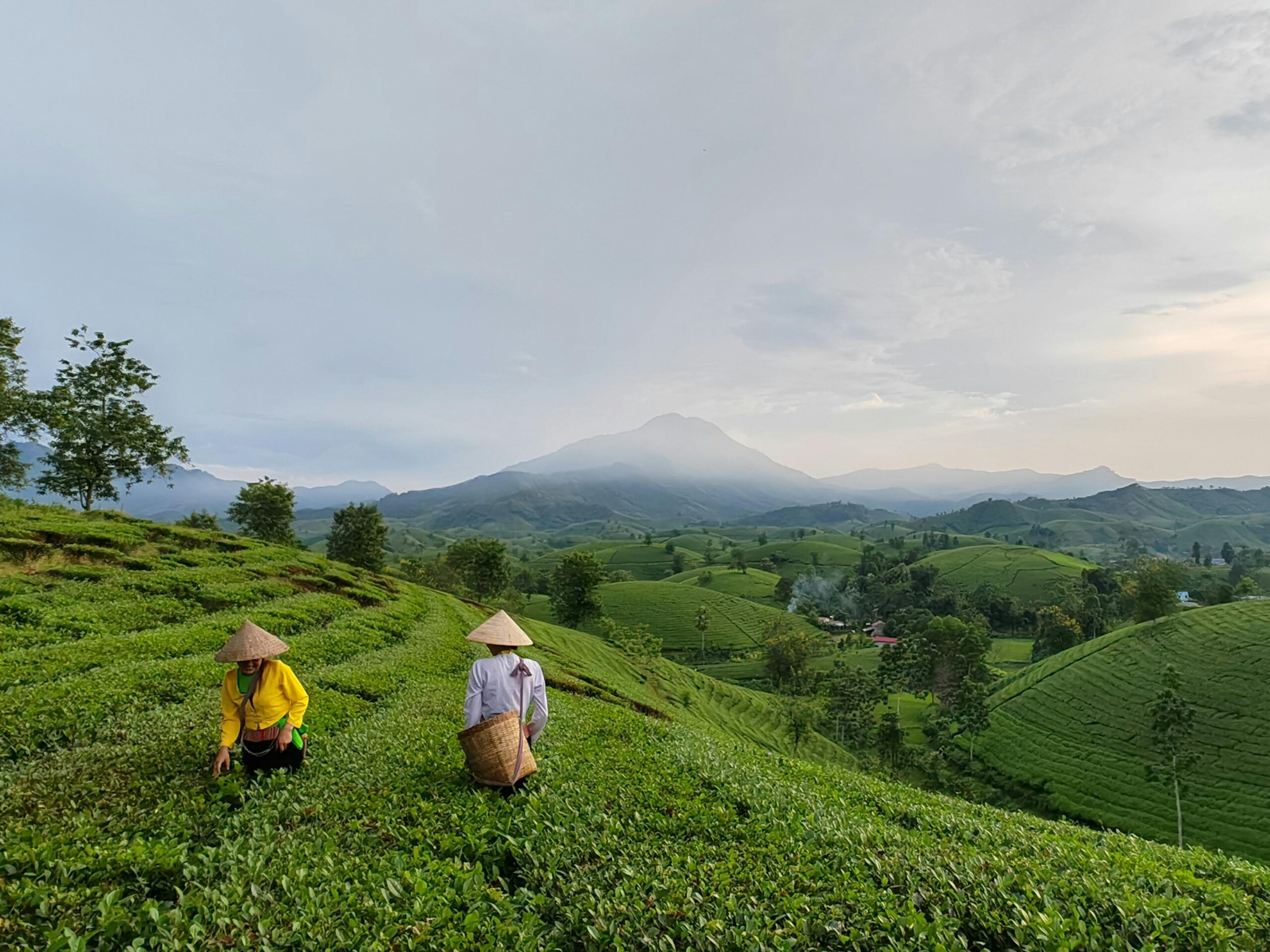
What comes to your mind when you hear the word “plantation agriculture?” Most likely to be rows of tea plants on foggy hills, sugarcane fields swaying in the wind, or cocoa trees hidden under the cover of tropical rainforests. That’s not so far off the mark. Plantation agriculture is essentially extensive cultivation in which one single cash crop occupies the land.
The key distinction here is intention. Little family farms generally produce longer for necessity. Plantations, however, are concerned with size and markets. They’re meant to serve cities, industries, and even distant nations. That morning coffee you enjoy in New York may have begun as a cherry being picked in Ethiopia. Your favorite chocolate may go back to a Ghanaian village.
So why does it matter? Because plantation agriculture is not simply about plants; it’s about linkages. It binds rural growers to distant consumers. It generates employment, powers exports, and is commonly the very lifeline of whole economies. But it also causes concerns – what occurs when everything relies so heavily on a single crop? And what about the planet?
Plantation farming is important because it’s potent. When done well, it is prosperity, innovation, and resilience. When done poorly, it can ensnare farmers in dependency loops and tax the land. That’s why its stories are worth reading: they show not just how agriculture works, but how plantation agriculture makes the world.
What are the key differences between plantation farming and traditional farming?
Now we know the definition of plantation agriculture, but the question remains in the mind of how plantation farming is different from small, traditional farming.
Now that we’ve established context, let’s pose a simple question: how does plantation agriculture differ from the small, customary farms most people envision when they think of agriculture?
The difference is one of scale and intent. Traditional farming is usually about survival and feeding families. Plantation agriculture is a different game. It is farming for trade, farming for export, farming for industries.
Scale and Purpose
Imagine this: a household in countryside India cultivates some crops on two acres of land, which is enough for them to sustain their needs. Compare that to an Assam tea plantation, spreading across thousands of acres, producing enough leaves to export across oceans. That is the heart of the difference. Plantations think in terms of markets, not just meals.
Technology and Methods
Plantations embrace new technology a lot quicker than smallholder farms. From irrigation and fertilizers to hybrid seeds and even drones, big estates are the first to put money into innovation. Conventional farms depend on easier techniques like family labour, elementary tools, and established practices that promote diversity over scale.
Labor and Organization
Plantations are based on hired labor. Employees might reside on the grounds, create communities, and adhere to structured timelines. Compared to traditional farms, traditional farms tend to rely on family or neighbors, with schedules based on family needs instead of industrial requirements.
Contribution to Society
Both contribute significantly. Traditional farming fills local plates, maintains cultural eating habits, and keeps communities alive. Plantation agriculture drives exports, energizes industries, and builds economies.
Realizing these distinctions allows us to understand why both are essential, each having its role in the broader world of agriculture.
How does geography shape plantation farming success across continents?
There is no farming by itself. The earth beneath our feet, the sky above our heads, and the location on the map dictate what crops thrive and how they are grown. Plantation agriculture is a great demonstration of how geography determines success. Every continent has specialized itself on the basis of the crops that its land and weather support.
Africa: Cocoa, Coffee, and Tea Powerhouses
West Africa, particularly Ghana and Côte d’Ivoire, is the cocoa hub of the world. The warm, wet climate and rich soil are perfect for cocoa. Kenya and Rwanda in East Africa have turned their highlands into tea-producing marvels that produce leaves whose pungent flavor and intense color are in great demand. Geography gives Africa the crop as well as the image that fuels global demand.
Asia: Diversity from Palm Oil to Tea
Asia’s story is that of variety. Palm oil is the domain of Malaysia and Indonesia, a crop that thrives in their tropical lowlands. India and Sri Lanka boast tea plantations scattered throughout foggy hills, while rubber plantations cover Thailand and Vietnam. Monsoons and tropical weather provide Asia with an advantage when it comes to crops nourishing both food and manufacturing industries. However, geography also presents danger: a failed monsoon or changed climate patterns can destroy entire crops.
Latin America: Sugarcane and Coffee Giants
Brazil is the sugarcane king and has done more than simply cultivate it. By producing ethanol from sugarcane, Brazil has redefined the use of plantations for fuel. Latin America is a coffee giant too, with Colombian high-altitude plantations yielding beans that are renowned for their smooth flavor. Altitude and tropical rains come together here to produce some of the world’s finest coffee profiles.
The Caribbean: Small Islands, Big Influence
The Caribbean is composed of tiny islands, but its sugar and banana plantations have made a significant impact on history. Warm ocean air, consistent rains, and fertile volcanic soils made ideal conditions for these plants to thrive. Plantations eventually grew into more than just farms – they made their mark on local economies, traditions, and even culture. Most islands continue to depend on these crops for export revenue and sustaining tourism.
What these areas illustrate is straightforward: geography silently leads plantation agriculture. It determines which plant will thrive, the quantity it will produce, and if it can hold its own in world markets.
Global Plantation Farming Success Stories and Lessons for the Future
There is a story behind every plantation. Some are tales of struggle, some of change, and some of sheer resilience. Let us examine three cases from various continents that illustrate how plantation farming not only endured but also evolved and flourished.
Ghana’s Cocoa Cooperatives: The Strength of Unity
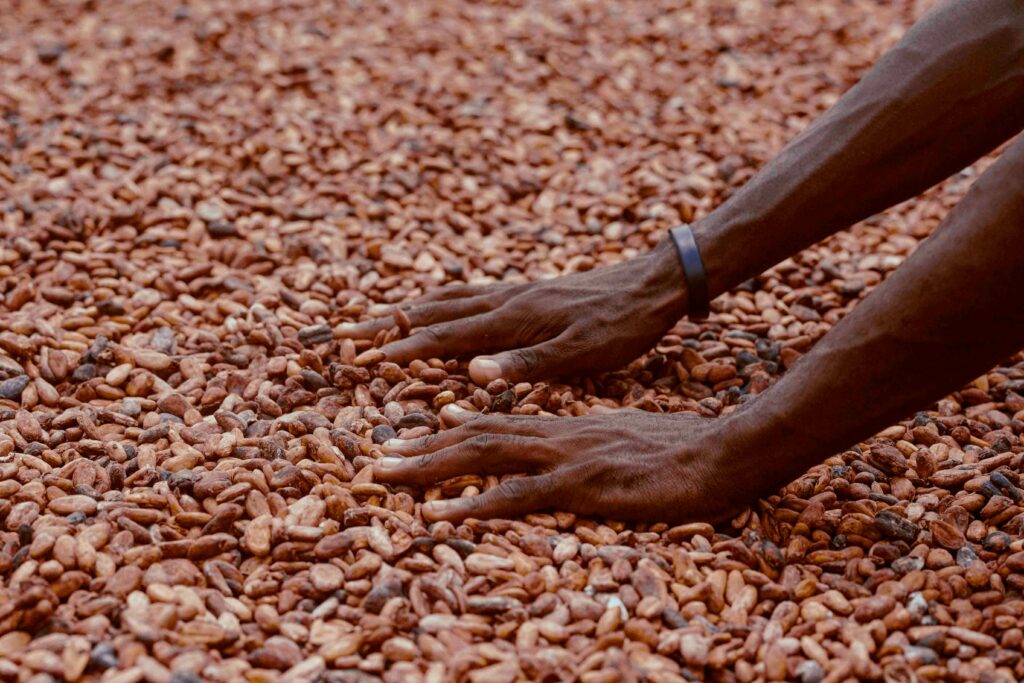
In Ghana, cocoa isn’t just a crop – it’s part of the nation’s identity. But for decades, small cocoa farmers languished. Prices were unpredictable, middlemen controlled the terms, and export-grade quality standards were hard to meet. Many farmers were stuck in cycles of poverty and insecurity.
Then there were the cooperatives. Farmers, by pooling together, acquired bargaining power. Collectively, they could access improved credit, pool resources, and bargain with the buyers directly. Standards improved, and paychecks became more consistent. According to one report, Ghana and Côte d’Ivoire now produce a combined surplus of over 60 percent of the world’s cocoa, a reflection of favorable geography as well as farmer coordination.
Lesson: Plantation farming isn’t about land and crops alone; it’s about people. When farmers unite, they are more resilient than any market downturn.
India’s Tea Plantations: Blending Tradition with Sustainability

India’s tea estates run from Assam to Darjeeling to the Nilgiris, each with its unique taste. Originally, these estates were a sign of colonialism, but today they have changed. Modern methods are practiced by many plantations: worker welfare initiatives, mechanization, and sustainability labels such as Fair Trade and Rainforest Alliance.
This transformation has helped Indian tea command a premium in overseas markets. Darjeeling tea is called the “champagne of teas” and is not only appreciated for its quality but also for its traceability and ethical production. By combining legacy with innovation, the Indian tea industry has been able to compete with a highly volatile overseas market.
Lesson: Reputation is important. In a world where people want to know their food’s origins, ethical and sustainable plantation agriculture is not goodwill – it is good business.
Brazil’s Sugarcane and Ethanol: Turning Crops into Fuel
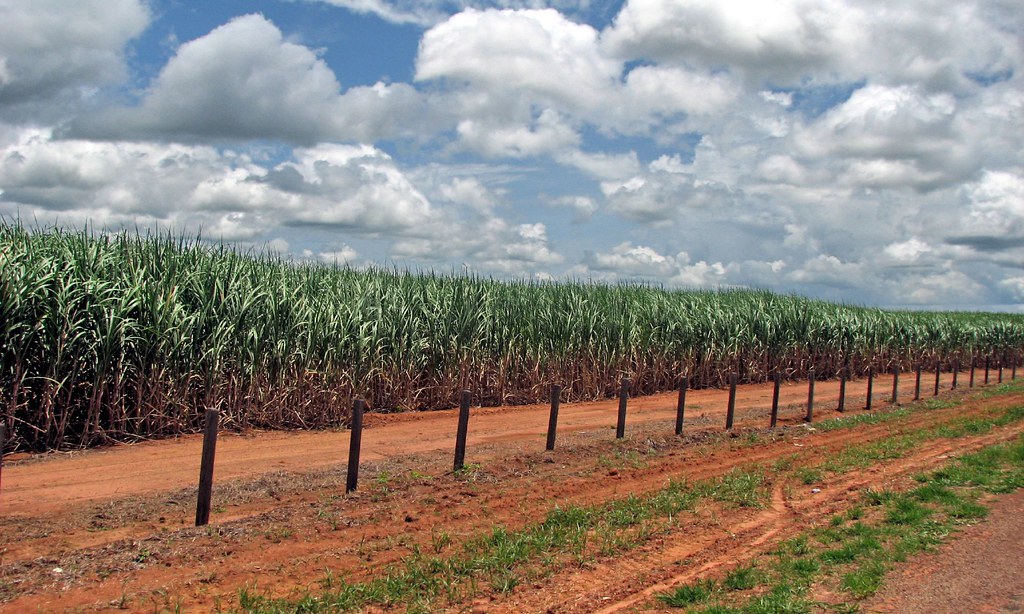
Brazil made a revolutionary move that rewrote the history of sugarcane once and for all. The nation not only invested in sugar but also heavily in producing ethanol. With government legislation requiring ethanol-blended fuel, fields became integrated into the energy market. Sugarcane ethanol at its peak was providing nearly 40 percent of Brazil’s transport fuel (World Bank).
This revolution made plantations something other than farms; they are now becoming the driving force of energy security and climate action. The success of Brazil’s ethanol indicates how creative thinking can redefine the destiny of plantation crops.
Lesson: Innovation creates possibilities. Plantation agriculture may diversify into non-food sectors, thus being immune to market fluctuations and opening up access to new options.
What Plantation Agriculture Teaches Us About the Future of Farming
Ghana, India, and Brazil’s stories show us that plantation agriculture is not static. It continues to evolve, and in many ways, it tastes of what it may be like to farm everywhere in the world in the future.
Climate Resilience Will Be Key
The fate of plantations is dependent upon how well they can cope with more severe weather conditions. Warmer days, changing rains, and emerging pests are already putting pressure on farmers. Resilient crop strains, shade trees, and healthier soils will be critical to survival. These are no longer niceties to add but determinants of whether a plantation will survive in the coming years.
Sustainability Will Drive Markets
Consumers are demanding difficult questions: Where is the chocolate sourced? Was the tea responsibly harvested? Plantations with green practices and with resultant certifications will be at an advantage. Sustainability is no longer just about image; it is now about market access and profitability in the long run. To explore more on how sustainability shapes farming today, you may like our article on sustainable and organic farming practices
Technology Will Reshape Practices
From farm drones scouting over fields to sensors monitoring soil moisture, technology is making plantation agriculture smarter. Decisions based on data help reduce waste, boost productivity, and save costs. Precision farming, already prevalent in parts of the world, will soon be de rigueur for plantations looking to optimize.
Fairness Will Strengthen Communities
Plantations often employ large numbers of workers. The future will demand fair wages, safe conditions, and investments in community welfare. Plantations that prioritize people alongside profits will not only gain loyalty but also build reputations that secure international buyers.
Innovation Will Expand Possibilities
Just as Brazil turned sugarcane into ethanol, the future will reward creative thinking. New uses of crops in energy, medicine, or even materials can make plantations resilient to market shocks and open doors to entirely new industries.
Plantation agriculture is more than farming at scale. It is a testing ground for the future of global food, energy, and trade. The choices made today will decide whether plantations become symbols of sustainability or reminders of missed opportunities.
Overall…
Plantation agriculture is not merely about large fields and larger yields. It’s about people, land, and markets coming together to influence the manner of living and exchange. The thrill is that it never remains static. It keeps evolving, discovering smarter methods to cultivate, more equitable ways to work, and greener means to keep the earth thriving.
The actual takeaway? Plantation agriculture is full of lessons, not only for farmers but for anyone who has an interest in the field of agriculture. It is ultimately more about decisions than it is about crops. And what we decide now will be what kind of harvest the world will be reaping tomorrow.